

If a child becomes unwell while you are babysitting, it can feel stressful very quickly. One moment everything is calm, and the next you are dealing with a temperature, vomiting, sudden crying, or a child who simply does not seem like themselves.
For parents, this is one of the biggest hidden worries when leaving their child with someone else. For babysitters, it is one of the clearest moments where confidence, judgement, and preparation matter.
The important thing is this: most situations are manageable if they are handled calmly, safely, and with good judgement. You do not need to panic, and you do not need to try to “play doctor”. What matters is knowing how to respond properly, how to monitor the child, and when to contact the parents or seek help.
At MyKiddy Sitter, this is exactly the kind of real-life childcare situation we prepare for, because dependable childcare is not just about keeping children entertained. It is about staying composed when something unexpected happens.
What should you do if a child gets sick while babysitting?
If a child gets sick while you are babysitting, the right response is to keep them safe, stay calm, assess the symptoms, follow parental instructions, and contact the parents if the child’s condition worsens or causes concern.
That is the short answer. The more useful answer is understanding what that actually looks like in practice.
Why this matters more than people think
A child getting sick is not unusual. It happens in nurseries, at school, during bedtime, after dinner, in the middle of the night, and often at the least convenient time possible. The difference in a babysitting situation is that the parents are not there.
That changes the emotional pressure immediately.
A child who feels unwell often becomes clingier, more upset, more tired, or harder to settle. If the babysitter becomes anxious too, the situation can spiral into confusion. That is why a good response matters so much. The child needs calm, and the parents need confidence that the person in charge knows what to do.
This is one of the reasons many families actively look for DBS-checked childcare professionals rather than casual or unvetted sitters. Reliability matters most when something does not go to plan.
First: stay calm and assess what is actually happening
The first mistake people make is reacting emotionally instead of observationally.
If a child suddenly says they feel sick, starts crying unusually, becomes hot, vomits, or seems “off”, do not jump straight into assumptions. Start by slowing the moment down.
Ask yourself:
- Is the child alert and responsive?
- Are they breathing normally?
- Are they complaining about pain?
- Have they vomited, developed a fever, or become unusually drowsy?
- Are they frightened, tired, or uncomfortable?
The goal is not diagnosis. The goal is clarity.
A child with a mild temperature who is tired and cuddly is very different from a child who is difficult to wake, struggling to breathe, or becoming increasingly unwell. Knowing the difference is what allows you to respond properly.
Follow the parents’ instructions first
A professional babysitter should never be improvising basic care without context.
Before any booking, parents should ideally have already shared:
- Emergency contact numbers
- Allergies or known conditions
- Any medication instructions
- Bedtime routines
- Preferred actions if the child becomes unwell
If those instructions exist, follow them carefully.
For example, some parents may already have clear guidance about what to do if their child gets a fever, whether they are allowed Calpol, whether they are prone to night vomiting, or when they want to be called.
This is why families booking trusted babysitters in London are not just looking for availability. They are looking for someone who can follow care instructions responsibly.
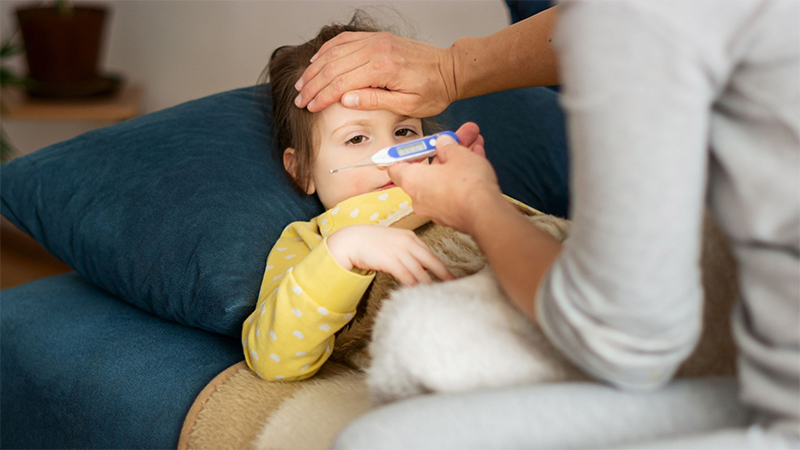
If the child has a fever
A fever is one of the most common concerns during babysitting, especially in the evening or overnight.
If the child feels unusually warm, take their temperature if a thermometer is available. A mild temperature can happen with a cold, a virus, teething in younger children, or the early stages of illness.
What matters most is not just the number on the thermometer, but how the child is behaving. A child who is warm but alert, drinking fluids, and still responsive is very different from a child who is floppy, distressed, or becoming increasingly lethargic.
Keep the room comfortably cool, remove excess layers if needed, and encourage rest. Offer small amounts of water if appropriate.
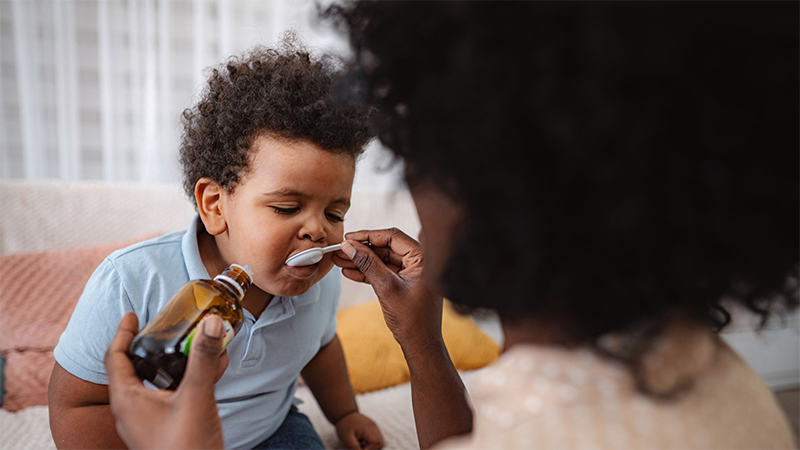
Do not give medication unless the parents have given clear permission and you are certain of the dosage and instructions.
If the fever is high, persistent, or combined with concerning symptoms, parents should be informed promptly. For official UK guidance on what counts as a fever and when to worry, the NHS advice on fever in children is one of the most reliable references.
If the child vomits or feels sick
Vomiting tends to trigger immediate panic because it feels dramatic, especially at night. In many cases, however, it is caused by a mild virus, stomach upset, overeating, or a short-lived bug.
If a child vomits while in your care, help them sit upright or lie on their side, and stay with them until the episode passes. Once they are settled, clean them up gently, change any soiled bedding or clothing, and reassure them.
Do not rush to offer lots of fluids immediately. Wait a little while first, then offer small sips of water.
The important thing is to watch what happens next. One isolated episode is often manageable. Repeated vomiting, dehydration, or worsening symptoms are a different situation. If parents want a trusted health source to cross-check symptoms later, the NHS page on vomiting in children is a useful place to start.
If the child suddenly becomes very upset or unusually quiet
Not every “sick child” situation is physical illness. Sometimes the issue is emotional distress, tiredness, overstimulation, or separation anxiety.
A child who becomes unusually clingy, starts crying intensely, says they miss their parents, or refuses to settle may not be medically unwell at all. They may simply be overwhelmed.
This is where emotional regulation matters.
Lower the stimulation. Reduce noise. Offer comfort. Stick to familiar bedtime or calming routines. Avoid over-questioning them.
Children do not always have the words to explain how they feel. Sometimes “I feel sick” really means “I feel unsettled”.
This is one reason why experience with babies and younger children matters so much, especially for families looking for infant and toddler babysitting support where children may struggle to express discomfort clearly.
Book a professional Sitter?
We are happy to offer you some of the most competitive prices in the industry.
When should you call the parents?
This is the question many babysitters hesitate on, and hesitation is often where mistakes happen.
Parents should usually be contacted if:
- The child has a fever that is high or rising
- Vomiting happens more than once
- The child is unusually drowsy
- There are breathing concerns
- The child is in pain
- Symptoms are worsening
- The child is in pain
- You feel unsure about what is happening
A common mistake is waiting too long because you do not want to “bother” the parents.
That is the wrong instinct.
Parents would almost always rather be informed early than find out later that something was happening and no one told them. Calm, early communication is not overreacting. It is professionalism.
If you do call or message, keep it clear and useful. Tell them:
- What happened
- When it started
- How the child is behaving now
- What you have done so far
That kind of communication reassures rather than alarms.
When should you seek urgent medical help?
Most babysitting illness situations are not emergencies, but some absolutely are.
If a child is struggling to breathe, becomes unresponsive, has a seizure, develops a rapidly spreading rash, or appears seriously unwell, call 999 immediately.
You should also seek urgent help if you are worried the child’s condition is deteriorating rapidly and the parents cannot be reached in time.
This is where proper judgement matters more than confidence theatre. A professional caregiver knows the difference between “stay calm and monitor” and “this needs escalation now”.
Families often assume childcare quality is mostly about warmth and personality. In reality, confidence under pressure is one of the biggest trust signals of all. That is why many parents prefer first aid trained babysitters when they know their child is younger, more sensitive, or prone to illness.
Why preparation matters more than reaction
The best babysitters do not just respond well. They reduce chaos before it starts.
Before a booking, the most reliable childcare setups include:
- Clear parent contact details
- Emergency backup contacts
- Allergy or medication notes
- Consent for medicine if relevant
- Guidance on when parents want to be contacted
That preparation removes guesswork in the moment.
This matters even more in London, where parents may be at work events, dinners, weddings, theatre nights, or travelling across the city. If they are 45 minutes away in traffic, the babysitter needs a clear protocol, not vague assumptions.
This is exactly why families often look for evening childcare for families that is structured, experienced, and genuinely dependable.
Why DIY childcare often breaks down in these moments
A lot of families assume that “someone nice with childcare experience” is enough.
Sometimes it is. Sometimes it really is not.
When a child becomes unwell, informal babysitting arrangements often fall apart because there is no system. No clear instructions. No agreed escalation point. No confidence under pressure.
That is not a criticism of family friends or occasional sitters. It is just reality.
Professional childcare works better because it is not built only on trust. It is built on process.
That difference becomes obvious the moment a child spikes a temperature at 9:30pm or vomits after bedtime.
London parents often need more than basic supervision
The childcare reality in London is different from the childcare reality in quieter, lower-pressure environments.
Parents are often juggling:
- Long commutes
- Evening work commitments
- Hospitality or shift schedules
- Social events
- Weddings or private functions
- Travel or hotel stays
That means the person looking after their child may need to handle bedtime, emotional reassurance, illness monitoring, and parent communication all in one booking.
That is why families often want more than “someone available”. They want someone who can handle the real world.
If you are a parent booking childcare in the capital, choosing premium childcare support in London is often less about luxury and more about reducing risk.
Final thoughts
A child getting sick while babysitting is not a rare scenario. It is a normal part of caring for children.
What matters is not whether it ever happens. What matters is whether the person in charge responds with calm, judgement, and common sense.
The best babysitters do not overreact, and they do not underreact either. They observe, comfort, communicate, and escalate when needed.
That is what builds trust with parents, and that is what keeps children safe.
If you are looking for reliable childcare in London, choosing a sitter who is experienced, vetted, and prepared for real-life situations makes all the difference.
At MyKiddy Sitter, we believe childcare should feel reassuring even when the unexpected happens.
FAQ
What should a babysitter do if a child gets a fever?
A babysitter should help the child rest, monitor their temperature, keep them comfortable, and contact parents if the fever is high, rising, or accompanied by worrying symptoms. Medication should only be given with clear parental permission.
Can a babysitter give Calpol in the UK?
Only if the parents have clearly authorised it and provided instructions. A babysitter should never guess the dose or give medication without consent, even if the child seems uncomfortable or feverish.
Should parents always be called if a child gets sick?
Not always immediately, but parents should be informed if symptoms are worsening, repeated, or causing concern. Early communication is usually better than waiting too long and creating unnecessary stress later.
What if a child vomits while babysitting?
Help the child sit upright or lie on their side, stay with them, clean them up gently, and monitor what happens next. One episode may be manageable, but repeated vomiting should be reported to parents.
When should a babysitter call 999?
A babysitter should call 999 if the child is struggling to breathe, becomes unresponsive, has a seizure, or appears seriously unwell. Emergency help should never be delayed if the situation feels urgent.
Is it normal for children to feel sick at bedtime?
Yes, it can happen. Tiredness, mild illness, emotional upset, or overstimulation can all make children feel unwell in the evening. The key is to monitor whether symptoms settle or become more concerning.
Need a Babysitter You Can Trust in London?
If you want childcare that feels calm, capable, and genuinely dependable, MyKiddy Sitter is here to help.
We match families with experienced, carefully vetted babysitters who understand that childcare is not just about routines. It is about trust, judgement, and being prepared for real-life situations.
Whether you need day care, evening support, hotel babysitting, or event childcare, we are here to help you find the right fit.
Check also: Overnight Babysitter in London


